Join the Bee-Team.™
Rescue pollinators in your own community, report the story, make new friends, and help keep the bees buzzing. High schools, colleges, and universities are joining the rescue nationwide, and there’s a place for you.
Everyone who wants to make a difference.
High-school students
Start a school Bee-Team, earn community-service hours, and file stories for the UEF “High School Wire™.”
College & university students
Lead a campus chapter through work-study positions and internships in field science and journalism.
Volunteers & bee-lovers
No campus required. Anyone can build habitat, plant a rain garden, and help spread the word.
Two kinds of action, one mission.
Bee-Teams follow a curriculum-based, science-backed protocol developed with the U-M Dearborn Environmental Interpretive Center.
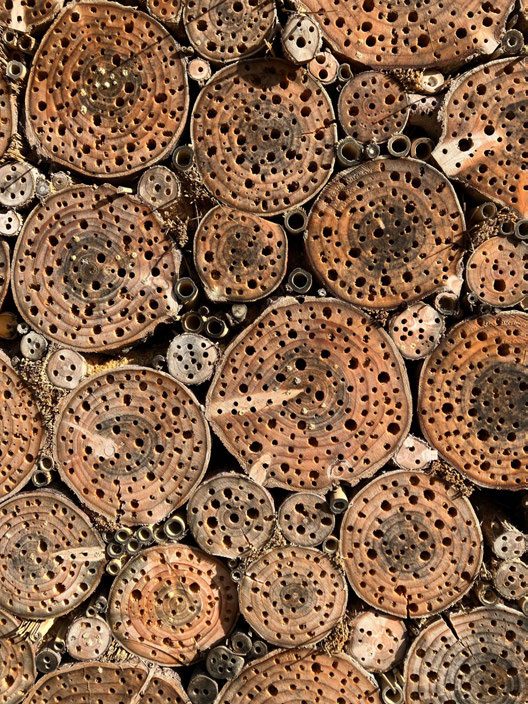
Build habitat, count species
Build and install emergency bee hotels, plant no-mow rain gardens of native pollinator food, identify local species, and record population baselines, turning lawns and backyards into living habitat.

Report it to the world
Turn your field research into PSAs, reports, and stories for print, digital, radio, and television, feeding the central news hub at the University of Michigan and building real journalism skills.
Work-study, internships & service.
College work-study
Paid positions build the operation: technology manager, production manager, and expansion manager roles at chapter hubs.
Internships
Hands-on internships in field science, digital production, and environmental journalism.
Community service
High-school students earn service hours while filing to the UEF “High School Wire™.”
From one hub to a nationwide network.
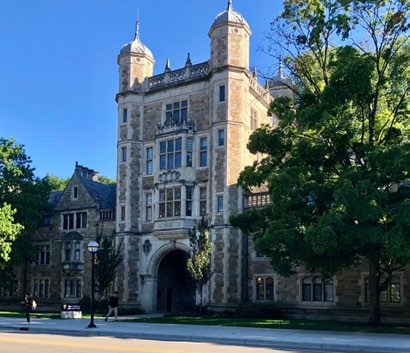
It starts at the central news hub at the University of Michigan, Ann Arbor, then grows local to regional to national, expanding to the first five university chapters and initial high-school teams.
Each Bee-Team passes the baton year after year, building a lasting, student-led stewardship movement.
Join in. Find new friends. Make a difference.™
Getting started is simple: here’s how a new Bee-Team comes together.
Reach out
Email us that you’d like to start or join a Bee-Team.
Get the plan
Receive the science-based rescue protocol and reporting guidelines.
Build your team
Gather classmates or neighbors and take your first rescue actions.
Report & grow
File your stories to the hub and pass the baton onward.
Questions? Email bees@unitedearthfund.org